What is video production?
Video production is the work of making a finished video, from idea to delivery. It has three stages: pre-production, production and post-production. AI changes the middle stage most. It leaves the brief, the judgement and the approvals with people.
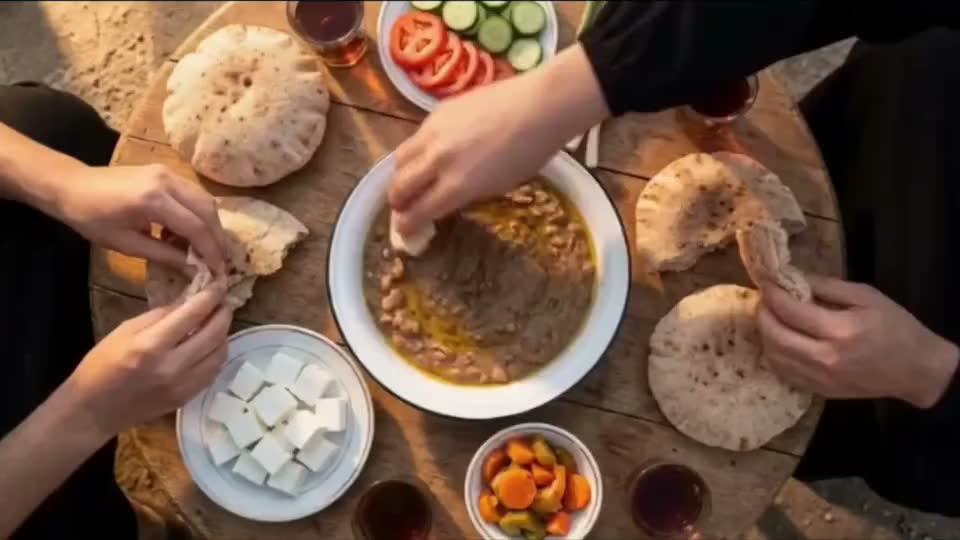
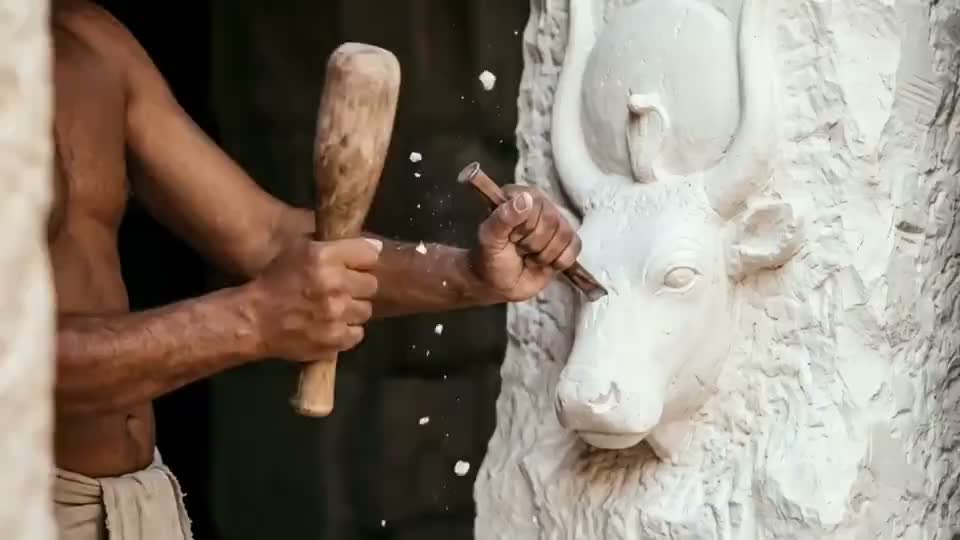 Made with AI
What is video production? It is the whole job of making a finished video: the idea, the planning, the making of the pictures and sound, the edit and the delivery. If you are about to commission your first film, this guide explains the stages, who does what, and what AI video production changes. It also explains what stays the same.
The term covers everything from a 15-second social clip to a national TV commercial. The method varies a lot. The stages barely change.
What is video production, stage by stage
Pre-production
Everything before pictures get made. This is where a project is won or lost, and it is the easiest place to change your mind.
- Brief. What the film is for, who it is for, and what they should do afterwards.
- Idea and script. The story and the words, usually with a few routes to choose between.
- Look. Style frames, references or a storyboard, so everyone can see the same picture.
- Planning. Scene list, locations, cast, voices, schedule and budget.
- Approvals. Who signs off, and at which point.
Production
The making of the raw pictures and sound. In traditional work, this is the shoot: a crew, a camera, lights, a location and people on screen. In AI video production, it is generation: directed prompts, reference images, many takes for each shot, and a person choosing the right one.
Post-production
Turning raw material into a film. The edit comes first, then colour, sound design, music, voice, on-screen text and any graphics. Then come revisions, final approval and delivery in every format and language you need.
Most first-time buyers think production is the main event. In practice, the decisions made before it and the edit after it shape how good the film feels.
Who does what in video production
Small teams combine these jobs. Large ones split them further. What matters is that someone owns each one.
| Role | What they own |
|---|---|
| Producer | Budget, schedule, people and the client relationship |
| Creative director or director | The idea, the look and every creative decision |
| Writer | Script and voiceover text |
| Director of photography | Camera and light on a shoot |
| AI artist | Generating and refining shots on an AI film |
| Editor | Rhythm, order and what the film finally says |
| Colourist and sound designer | How it looks and how it feels |
| Motion designer | Type, graphics and data visualisation |
| Voice artist | The spoken performance, in the right dialect |
| You, the client | The brief, facts, brand rules and final approval |
Ask any company who will fill each of these on your film. A vague answer tells you something too.
Kinds of video
- Commercials. Short, paid, built to run in media. They need the most polish per second.
- Social clips. Short, fast and made in vertical formats, often in many versions.
- Brand and launch films. Longer and more emotional. They say who a company is or what it is about to open.
- Corporate video. Company profiles, launch films, and investor and partner films.
- Explainers and motion graphics. Clear words and graphics that make something complicated simple, often with data visualisation.
- Event films. Openers and stage content, made to play on a large screen.
- Real estate films. Often showing a place that has not been built yet.
Each kind pulls the budget differently. Our guide to how much video production costs shows how.
What AI video production changes, stage by stage
In pre-production, AI makes ideas visible sooner. Style frames that once took a great deal of work can be tested early, including rough moving scenes. A team can agree on a look before serious money is spent. This is often its most useful effect, and people rarely mention it.
In production, the change is largest. There may be no location, no shoot day and no travel. Places that cannot be filmed become possible. Shots are generated many times and chosen by eye. New work appears here too: keeping characters consistent from shot to shot, keeping a product exact and fixing what the tools get wrong. It is not a button. Budget moves away from shoot days and toward direction and review.
In post-production, the craft stays and the material changes. An editor still builds the film. Sound still does half the work, and it usually has to be built from nothing. Versions become easier, because a new setting or season may not need a new shoot. Arabic text is best set in the edit, not generated in the picture, because generated Arabic lettering often comes out wrong.
We go deeper on the differences in AI video vs traditional video production.
What AI does not change
- A clear brief. A vague brief gives a vague film, however it is made.
- Taste. A tool gives you a lot of options. Someone has to know which one is right and why.
- The script. Words still carry the film.
- The edit. Rhythm and order are still human decisions.
- Language. A native speaker still has to hear the voice and read the text.
- Approvals. A person answers for every frame.
- Honesty. Viewers should know what they are watching. Every AI film we make is labelled, and AI people are never presented as real testimonials.
What you should receive at the end
Agree on this list before work starts, because it is easy to forget and awkward to add later.
- The master film, at the highest quality you will need.
- Each format, such as 16:9 for screens and 9:16 for phones.
- Cut-downs, if you asked for shorter versions.
- Captions and subtitle files, in each language.
- A version with no on-screen text, so later changes stay simple.
- A note on rights, covering music, voice, tools and where you may run the film.
Mistakes first-time clients make
- Asking for everything in one film. One film can carry one clear thought.
- Writing the brief as a script. Tell the company the goal, and let it propose the route.
- Bringing in the senior approver at the end. Show them the style frames, not only the final cut.
- Comparing quotes before comparing films. Watch the work first.
How to start your first brief
You do not need a production background. You need honest answers on one page.
- The purpose. What should change after someone watches this?
- The audience. Who are they, and where will they see it?
- The message. One sentence. If you have more, rank them.
- The formats. Where it runs decides length and shape: 16:9, 9:16, 1:1 or 4:5.
- The language. Which dialect and which markets?
- What must be real. People, products or places that cannot be generated.
- Examples. Two films you like, and one you do not. Say why.
- The date and the ceiling. When it must be live, and what you can spend.
- The approvers. Everyone with the power to say no.
Then choose who makes it. Our guide on how to choose an AI video production company lists the questions to ask, and they work for most crew-led companies too. For the bigger picture, see our pages on video production and AI video production.
Video production meaning and basics
What is the difference between video production and filmmaking?
Filmmaking usually means feature films and shorts. Video production is the wider term, and it covers commercial, corporate and social work. The stages are the same.
What does pre-production include?
The brief, script, look, scene list, casting, schedule, budget and approvals. On an AI film, it also includes style frames and tests for characters and products.
What does post-production include?
Edit, colour, sound, music, voice, on-screen text, graphics, revisions and delivery in every format.